Engine Repair Guide for Diesel Drivers: What Causes Trouble and When to Act
If you rely on a diesel vehicle for work, hauling, travel, or daily driving, engine health is not something you can afford to ignore. At Spooled Up Diesel Repair in Moses Lake, WA, we know how quickly a small engine concern can grow into a larger and far more expensive problem when it is left alone. That is why understanding the early signs of engine trouble matters so much. The more you know about what your engine is telling you, the better prepared you are to protect performance, fuel efficiency, and long-term reliability.
Engine repair is one of those topics that many drivers put off because it sounds overwhelming. We get it. Modern diesel engines are complex, and many issues can start small before becoming serious enough to affect drivability or leave you stuck on the side of the road. The good news is that engine problems usually give warnings. The key is knowing what to watch for and taking action before the damage spreads to other systems.
In this guide, we are breaking down the common causes of engine trouble, the warning signs diesel drivers should never ignore, how the repair process usually works, and what you can do to reduce the chances of major engine repairs in the future. If you drive a pickup, semi, van, box truck, or motorhome, this is the kind of information that can help you make smarter decisions about maintenance and repairs in Moses Lake, WA.
Why Engine Repair Matters More Than Many Drivers Realize
Your engine does more than make your vehicle move. It affects power delivery, starting performance, fuel economy, emissions output, towing capability, and overall dependability. When the engine is not running properly, the rest of the vehicle often suffers too. A misfiring engine can strain the exhaust system. Oil leaks can lead to overheating or internal wear. Fuel system concerns can reduce power and trigger hard starts. What begins as a rough idle or a warning light can eventually turn into major internal damage.
That is why timely engine repair is so important. The goal is not just to fix what is broken today. It is to protect the full lifespan of your diesel vehicle and help you avoid the much higher cost of delayed repairs later on.
For drivers in
Moses Lake, WA, that matters even more when the vehicle is tied to work schedules, fleet operations, deliveries, travel plans, or business income. Downtime costs money. Lost performance costs time. Ignoring engine symptoms can cost both.
Common Signs Your Diesel Engine May Need Repair
Many engine issues start with subtle changes. Some drivers only look for a check engine light, but there are other symptoms that deserve just as much attention.
One of the most common warning signs is a loss of power. If your diesel truck feels weaker during acceleration, struggles under load, or seems less responsive than usual, there may be a problem with fuel delivery, air intake, turbo performance, sensors, or internal engine condition.
Hard starting is another major clue. If your vehicle cranks longer than normal, starts inconsistently, or seems reluctant to fire up when cold, the issue may involve injectors, glow plugs, fuel pressure, compression, or electrical components related to engine operation.
Unusual smoke should also never be ignored. Excessive black smoke can point to fuel delivery or air imbalance issues. Blue smoke may suggest oil burning. White smoke can indicate incomplete combustion or, in some cases, more serious internal concerns. Smoke color does not provide the full diagnosis on its own, but it can offer a strong clue about where to begin.
Knocking, ticking, tapping, or other unfamiliar noises can also signal engine trouble. These sounds may come from worn internal parts, valvetrain issues, injector problems, or lubrication concerns. If the sound is new, it deserves inspection.
You should also pay attention to rough idling, shaking, reduced fuel economy, overheating, fluid leaks, and warning lights. None of these symptoms should be brushed off as “probably nothing,” especially with a diesel engine that is used regularly for heavy-duty work.
What Causes Engine Problems in Diesel Vehicles
Engine trouble can come from many directions, and not every issue means the engine needs a full rebuild or replacement. In many cases, the problem is related to a supporting system that affects engine operation.
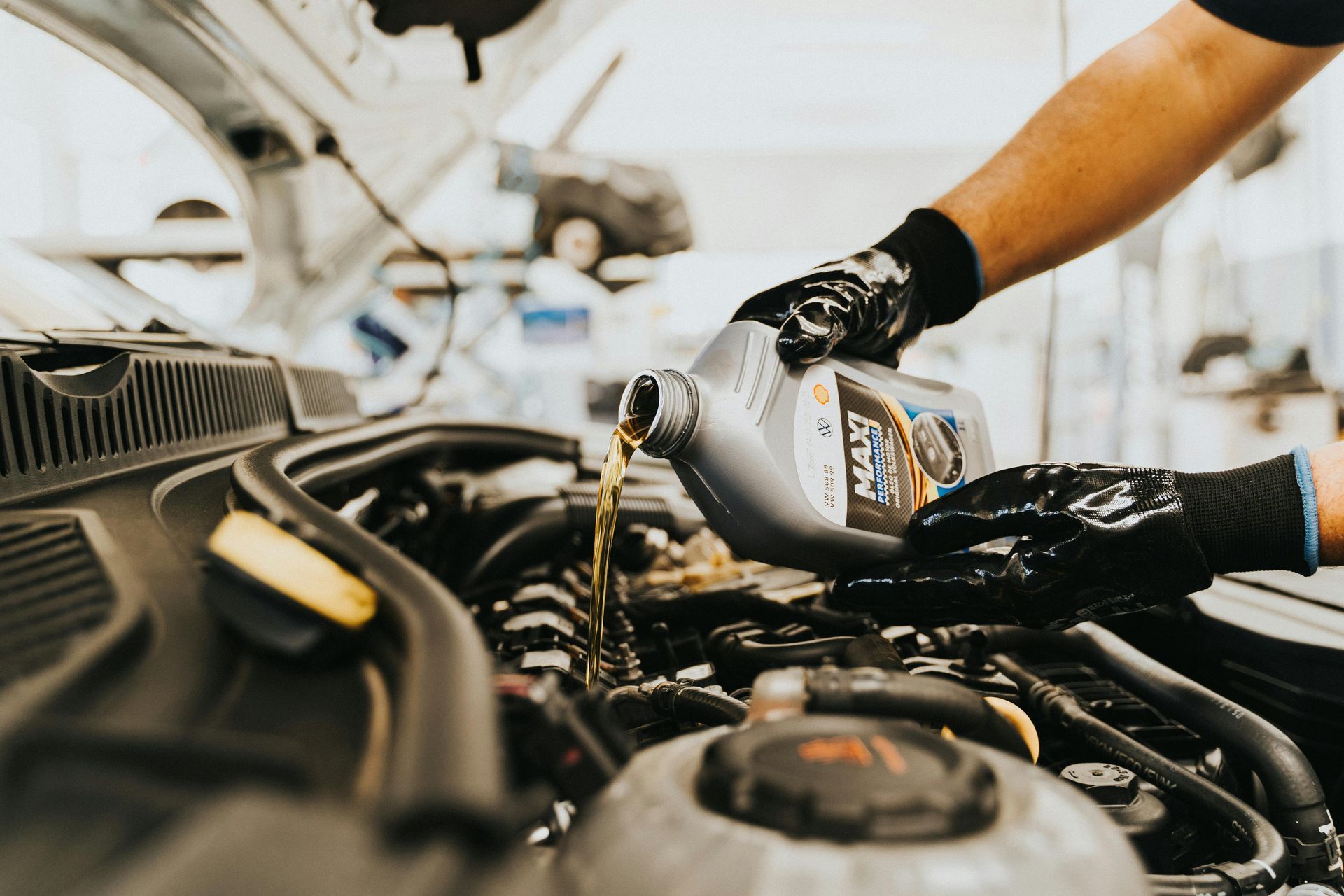
Oil-related issues are a major cause of engine wear. Dirty oil, low oil levels, incorrect oil type, or delayed oil changes can reduce lubrication and allow internal parts to wear faster than they should. Diesel engines work hard, and they need proper lubrication to protect critical components.
Cooling system problems are another common cause. If the engine runs too hot, even briefly, that heat can damage seals, gaskets, and internal parts. A cooling issue that starts with a hose, thermostat, radiator, or water pump can quickly become an engine repair if ignored for too long.
Fuel system faults also play a major role. Diesel engines depend on clean fuel, proper pressure, and accurate injector performance. Contaminated fuel, clogged filters, failing injectors, or pressure issues can cause poor combustion, hard starts, rough running, and long-term wear.
Airflow restrictions can create trouble too. Problems with the turbocharger, intake piping, sensors, or filters can throw off the air-fuel balance and reduce engine efficiency. When the engine cannot breathe properly, performance suffers.
Then there is normal wear over time. Even well-maintained engines can develop issues as mileage increases. Seals wear out. Sensors fail. Gaskets weaken. Components loosen. That does not mean the vehicle is done for, but it does mean staying proactive becomes more important with age and use.
At Spooled Up Diesel Repair in Moses Lake, WA, we often remind drivers that engine repair is not always about a catastrophic failure. Sometimes it is about catching wear patterns early and correcting them before they escalate.
Why Diagnostics Come First
One of the biggest mistakes drivers can make is guessing at the problem or replacing parts without testing. Modern diesel engines rely on a network of systems and sensors, and the symptoms of one issue can overlap with several others. A loss of power could be caused by fuel delivery, airflow, electrical faults, exhaust restrictions, or internal mechanical wear. Without proper diagnostics, it is easy to treat the symptom while missing the real cause.
That is why a professional engine repair process should begin with a careful inspection and diagnostic approach. We want to understand what the engine is doing, when the symptoms happen, and what systems are being affected. That may include checking codes, inspecting components, reviewing fluid condition, testing related systems, and narrowing the issue down before repairs begin.
Good diagnostics save time, improve accuracy, and help prevent unnecessary costs. They also give drivers a clearer picture of what is urgent, what can wait, and what steps will help protect the engine going forward.
Engine Repairs Drivers Commonly Need
The term “engine repair” covers a wide range of services. Some repairs are external and relatively straightforward. Others involve deeper mechanical work. The right repair depends on the cause of the problem.
Common engine-related repairs can include fixing oil leaks, replacing gaskets, repairing cooling system damage that affects engine operation, resolving sensor and electrical issues, replacing worn injectors, addressing turbo-related concerns, correcting airflow issues, and repairing components tied to proper combustion and performance.
In more serious cases, engine repair may involve internal work related to compression loss, damaged internal parts, excessive wear, or overheating damage. That does not always mean replacement is the best option. Sometimes the most practical path is targeted repair. Other times, the damage is broad enough that a larger solution makes more sense. The important thing is making that decision based on testing and condition, not guesswork.
When Waiting Becomes Expensive
Many drivers delay engine work because the vehicle still runs. That is understandable, but it can also be risky. A vehicle that still starts and moves can still be actively damaging itself.
For example, continuing to drive with poor lubrication can increase internal wear. Overheating can damage more than one component at once. A fuel problem can affect combustion quality and create additional strain on the engine. A leak can spread contamination and affect nearby parts. In many cases, the final repair bill becomes larger not because the first issue was severe, but because the vehicle kept being driven after the warning signs were already there.
For diesel owners in Moses Lake, WA, acting early can make the difference between a manageable repair and major downtime. That is especially true for commercial vehicles and fleet units that need to stay on schedule.
How Maintenance Helps Prevent Engine Repair
Not every engine repair can be prevented, but many can be reduced or delayed through consistent maintenance. That is one of the smartest investments any diesel driver can make.
Routine oil changes matter because clean oil protects internal components from friction and buildup. Scheduled maintenance matters because it helps catch wear before it becomes failure. Filter replacement matters because diesel engines need clean fuel and proper airflow to run efficiently. Cooling system care matters because heat is one of the fastest ways to damage an engine.
It is also important to pay attention to changes in how the vehicle runs. You do not have to be a technician to notice hard starts, extra smoke, weak acceleration, unusual noises, or warning lights. Those observations matter. Bringing them up early gives the repair process a head start.
At Spooled Up Diesel Repair in Moses Lake, WA, we believe the best engine repair strategy starts before major damage happens. Maintenance is not just about checking boxes. It is about giving your engine the support it needs to stay reliable in the real world.
Practical Advice for Diesel Drivers
If you want to protect your diesel engine, there are a few habits worth keeping.
Do not ignore dashboard warnings. A light may not always mean immediate failure, but it does mean the vehicle needs attention.
Do not keep driving through major symptoms. If the engine is overheating, losing significant power, smoking heavily, or making harsh noises, continuing to drive can make things worse.
Stay consistent with service intervals. Diesel engines perform best when maintenance happens on time, not only when a problem appears.
Watch for leaks and fluid changes. A small spot under the vehicle or a sudden drop in fluid level can be an early warning sign of something more serious.
Pay attention to performance changes. If the vehicle feels different, starts differently, or sounds different, it is worth checking out.
These habits may seem simple, but they often help drivers catch trouble before it turns into an expensive engine repair.
A Smarter Way to Think About Engine Repair
Engine repair is not just about fixing failure. It is about restoring confidence in your vehicle. When your diesel truck, van, semi, or motorhome runs the way it should, everything else gets easier. Performance feels stronger. Fuel use is more predictable. Work gets done on time. Trips feel less stressful.
That is why we encourage drivers not to wait until a problem becomes severe. Whether you have noticed a warning light, reduced power, unusual smoke, rough running, or hard starting, getting answers early is one of the best decisions you can make.
At Spooled Up Diesel Repair in Moses Lake, WA, we believe drivers deserve practical recommendations, accurate diagnostics, and repairs that support long-term reliability. Engine issues can be frustrating, but the right approach helps turn uncertainty into a clear plan.
If your diesel vehicle has been showing signs of trouble, this is the time to act. Catching engine problems early can help protect your investment, reduce downtime, and keep you moving with greater confidence in Moses Lake, WA.